






March 17, 2026
Topic
Residential and commercial buildings are responsible for approximately a quarter of California’s GHG emissions and cleaning up the sector represents some of the state’s major policy opportunities and challenges. The opportunities are not only from potential emission reductions. Indoor air quality can be improved by reducing indoor fossil fuel combustion and comfort can be increased when gas space heating is replaced with heat pumps that provide both heating and cooling. Challenges come from the costs, the complexity of the sector, and the number of decision-makers involved, ranging from large landlords to residential homeowners.
Under the SB 1221 framework, aging gas distribution lines may create opportunities to consider alternatives to replacing gas infrastructure. In some cases, investments that might otherwise be required to repair or replace a gas line could potentially be avoided through electrification measures, such as replacing gas appliances with electric ones like heat pumps and induction stoves. The SB 1221 decarbonization pilots offer an opportunity for local governments and community-based organizations (CBOs) to work with their investor-owned utilities (IOUs) to explore these approaches in their communities.
How The Pilots Work
Under SB 1221, the California Public Utilities Commission (CPUC) is required to designate priority decarbonization zones. The CPUC has designated 151 initial priority zones in places where at least 10% of gas pipelines are expected to be repaired or replaced in the next 10 years and local governments or CBOs requested to be considered for a pilot project. Utilities may implement up to 30 decarbonization pilots in these zones. If at least 67% of the property owners impacted by the proposed pilot project agree to participate, the utility may be relieved of its obligation to provide gas service in the pilot area after customers’ conversion to zero-emission alternatives is complete and it is approved by the CPUC. This would allow the utility to decommission the gas line and avoid the cost of repairing or replacing it. Further guidelines for the pilot project program will be adopted by the CPUC by July 1, 2026.
How Can I Be Involved?
You can see if the census tract you live in is included in the initial list of priority zones in the appendix of the SB 1221 Legislative Report, which is available here. Local governments and community-based organizations can express their interest in participating in a neighborhood decarbonization zone and may express their interest here. The CPUC will update the list of priority zones by December 31, 2026. More information, including utility gas system gas data, can be found on the SB 1221 webpage. The docket card for proceeding R. 24-09-012 is also a resource, and the CPUC always welcomes public participation in its proceedings.
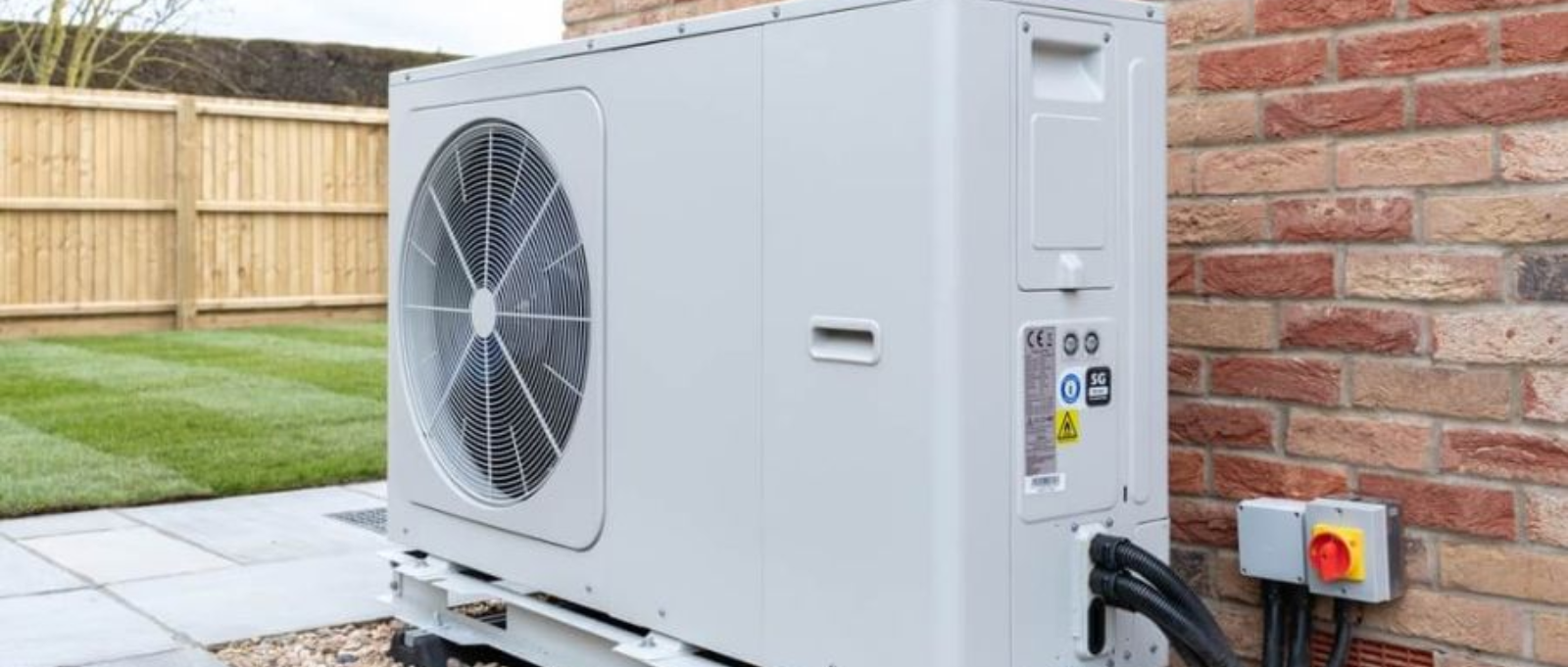
Photo: Image has creative commons license. Must be attributed to: EASCO and link to license must be provided. https://creativecommons.org/licenses/by-nc/4.0/. Image source: https://www.eascoair.com/wp-content/uploads/2024/04/fqasaboutheatpumps.jpg