




Livable Places Update
Article

December 1, 2025
Topic
By: Bernadette Austin
My family’s holiday cards display images from some fantastic trips we took this year. We hiked on a rapidly melting glacier in Iceland and released sea turtles through a conservation program in Baja California. Both were magical experiences that offered tangible, poignant reminders of the urgency of climate resilience and adaptation.
Despite these idyllic experiences, the work that drives me every day is not the impact we have on the planet. I am inspired to do work that improves people’s lives. Several years ago, a colleague of mine said that centering people was the unfinished business of the environmental movement, and that resonates with me. Protecting the interests of both people and the planet requires pursuing increasingly complex and nuanced solutions. We have already harvested the low-hanging fruit. What we cultivate now requires more challenging work, but it is critical to reap the rewards of sustainability.
Our field is full of these types of juxtapositions. Individuals feel like they need to choose between affordability and sustainability. Leaders feel torn between advancing economic development and preserving natural resources. Communities find themselves racing to address one crisis after the next–addressing homelessness, crumbling infrastructure, and a myriad of natural and human-made disasters.
CEQA reform represents a clear example of this nuance and complexity. How do we support people struggling to find homes they can afford while preserving a safe and sustainable community to live in? I spent a decade funding and developing affordable housing, seven years on a Planning Commission, and four on a Climate Action Commission. These experiences help me appreciate the many nuances surrounding CEQA reform and the humility to engage in dialogue with diverse interests. As we look forward to the coming year, we will have many opportunities to dialogue with diverse interests toward a common goal, whether that means advancing affordable decarbonization, applying the insights from the Fifth Climate Change Assessment, guiding investments from the Climate Bond and the Cap and Invest program, or navigating political diversity in an election year.
We must find solutions that address these seemingly compounded problems and opposing goals. CivicWell and our network of members, sponsors, and partners are committed to working through these challenges to find those solutions. Indeed, for nearly half a century, we have supported communities across the state through technical assistance and capacity building, convening, and coalition-building. In 2026, we are hosting three conferences that will convene folks dedicated to finding solutions. These include the 17th Annual California Climate and Energy Collaborative Forum at Universal City, the 34th annual Policymakers Conference at Yosemite National Park, and the inaugural Policy Bridge summit in Sacramento. We invite you to join us on this journey.
By Steve Hansen, Managing Partner, Lighthouse Public Affairs
As we look toward the 2026 legislative session, California stands at a pivotal crossroads. The challenges we face – from the affordability crisis to climate resilience, water access, and the accelerating impacts of new technologies like data centers – require bold leadership grounded in real-world experience.
California’s housing affordability crisis has reached historic levels. The state’s median home price reached approximately $886,960 in late 2024 (California Association of Realtors, October 2025), requiring an annual household income of approximately $221,000 to qualify for a mid-tier home mortgage (California Legislative Analyst’s Office, 2025), which is more than double the state’s median household income of $102,000.
Climate change is extracting an escalating financial toll on California communities. From 1980-2024, California experienced 46 confirmed weather and climate disaster events with losses exceeding $1 billion each, including 19 wildfire events, 14 drought events, and 6 flooding events (NOAA National Centers for Environmental Information, 2025).
The state’s aging water infrastructure compounds these challenges, with water systems losing 10-20% of supply to infrastructure inefficiencies, while communities face the dual pressures of recurring drought and extreme flooding events.
Emerging as a critical concern is the environmental impact of data centers. California has 17 data centers classified as being in high water-stress locations, with U.S. data centers collectively consuming approximately 163.7 billion gallons of water annually as of 2021 (Bloomberg analysis, 2025), a figure that has grown substantially with AI computing demands. As these facilities proliferate across California, they place increasing pressure on already strained water and energy systems.
Fortunately, CivicWell’s strength has always come from the ground up. Our staff, board, and statewide network of local leaders are not just participants in the policy process…they are its conscience and compass. In this transitional political moment, our collective voice and expertise are essential to ensuring that state-level strategies reflect the lessons, innovations, and urgency we see in our communities every day.
The upcoming Policy Bridge, Yosemite Policymakers Conference, and CCEC Forum are more than just events—they are catalysts. These forums provide essential platforms for elevating regional insights, surfacing practical solutions, and building bridges between local innovation and state action. As the next legislative session gears up, with a new Pro Tem who brings environmental leadership and experience advancing the Greenhouse Gas Reduction Fund (GGRF), the stakes, and opportunities, are high.
Local leaders have been clear-eyed about what’s needed: smarter climate investments, resilient water systems, better mobility, and equitable access to economic opportunity. At Policy Bridge, these topics, alongside emerging concerns like the environmental impacts of data centers and growing tensions with federal policy, will be front and center.
CivicWell’s work has always been about connecting the dots between policy and place. In 2026, our mission is more urgent than ever. By leaning into our collective strength and showing how local leadership drives meaningful progress, we can help California not just navigate the challenges ahead – but lead.

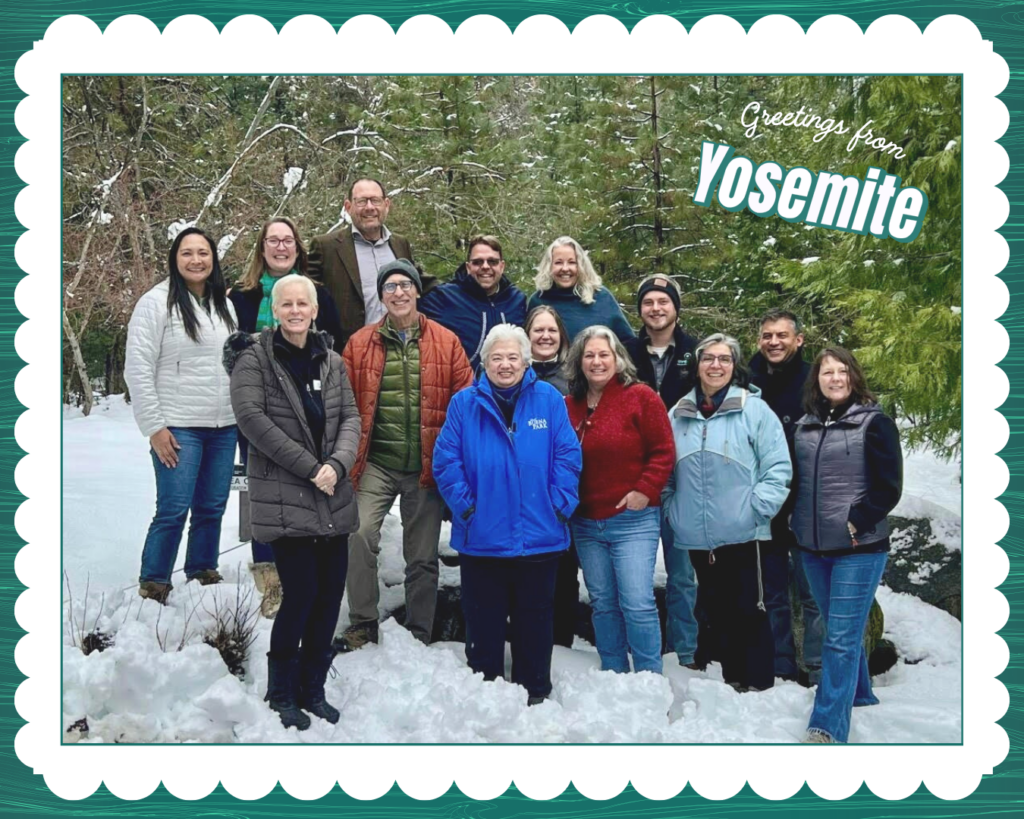
At the 34th Annual CivicWell Policymakers Conference, we’ll explore innovative solutions in communities emerging from converging challenges—wildfire recovery, housing crises, energy affordability, economic uncertainty, and more. This year’s program will highlight equitable climate investments, neighborhood-scale transformations, and the economic strategies to build climate resilience, social cohesion, and economic prosperity in California communities.
This unique and intimate conference brings together local elected officials from across California in a casual, collaborative, and inspiring environment.