


February 26, 2026
Topic
By Bernadette Austin
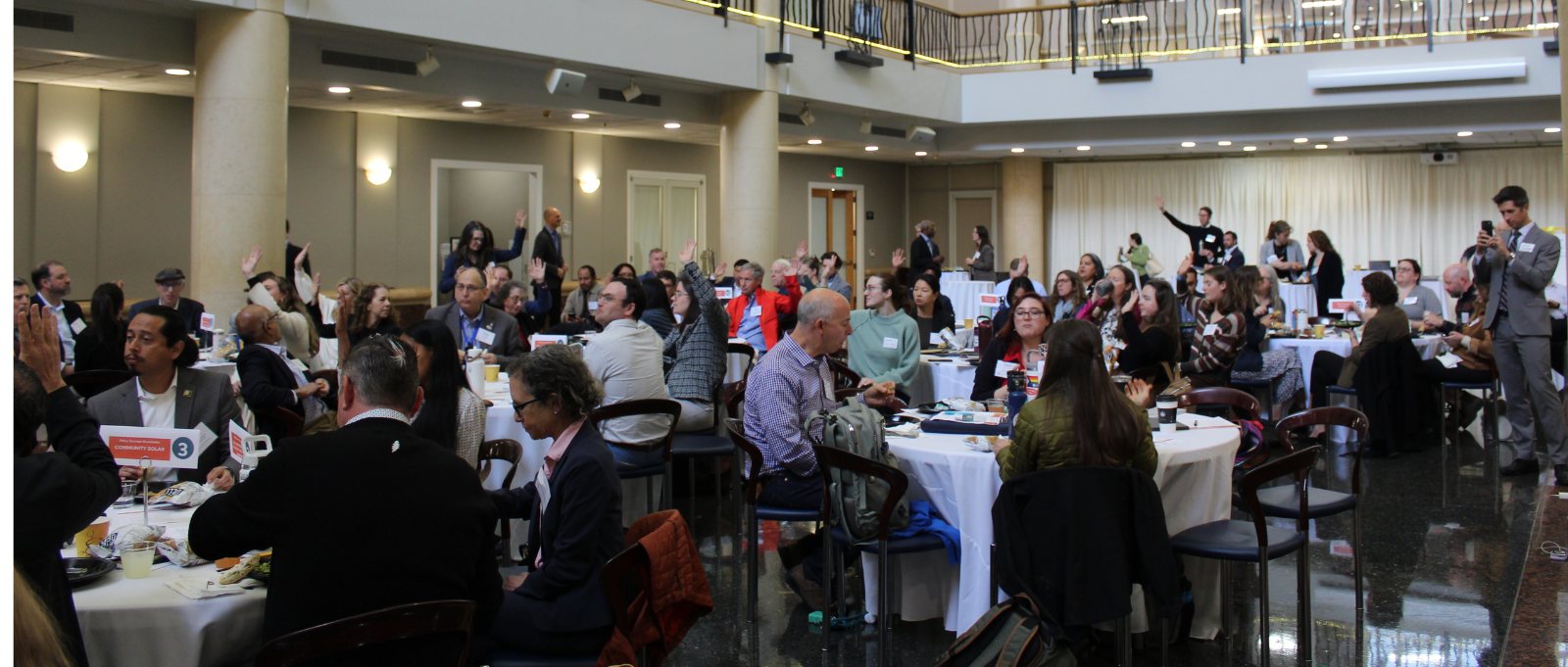
This month CivicWell debuted the inaugural Policy Bridge summit. This gathering drew together 120 attendees from the state and local level including legislators and their staff, local elected officials, leaders from state and local government agencies, and nonprofit organizations.
I took away plenty of inspiration and insights from this exciting event.
One of our speakers described local governments as the petri dish of civic innovation. Local governments can experiment to identify and refine what works, and state leaders can amplify and replicate these successes in other communities through investment and policies that remove barriers and reduce risk.
Furthermore, where the federal government is pulling back, state and local leaders are stepping up. This includes continuing to provide critical services and supporting our most vulnerable populations. One notable example is disaster recovery. Our legislative panel highlighted that more than a year after the Los Angeles fires, FEMA has still not reimbursed jurisdictions and service providers for related expenses.
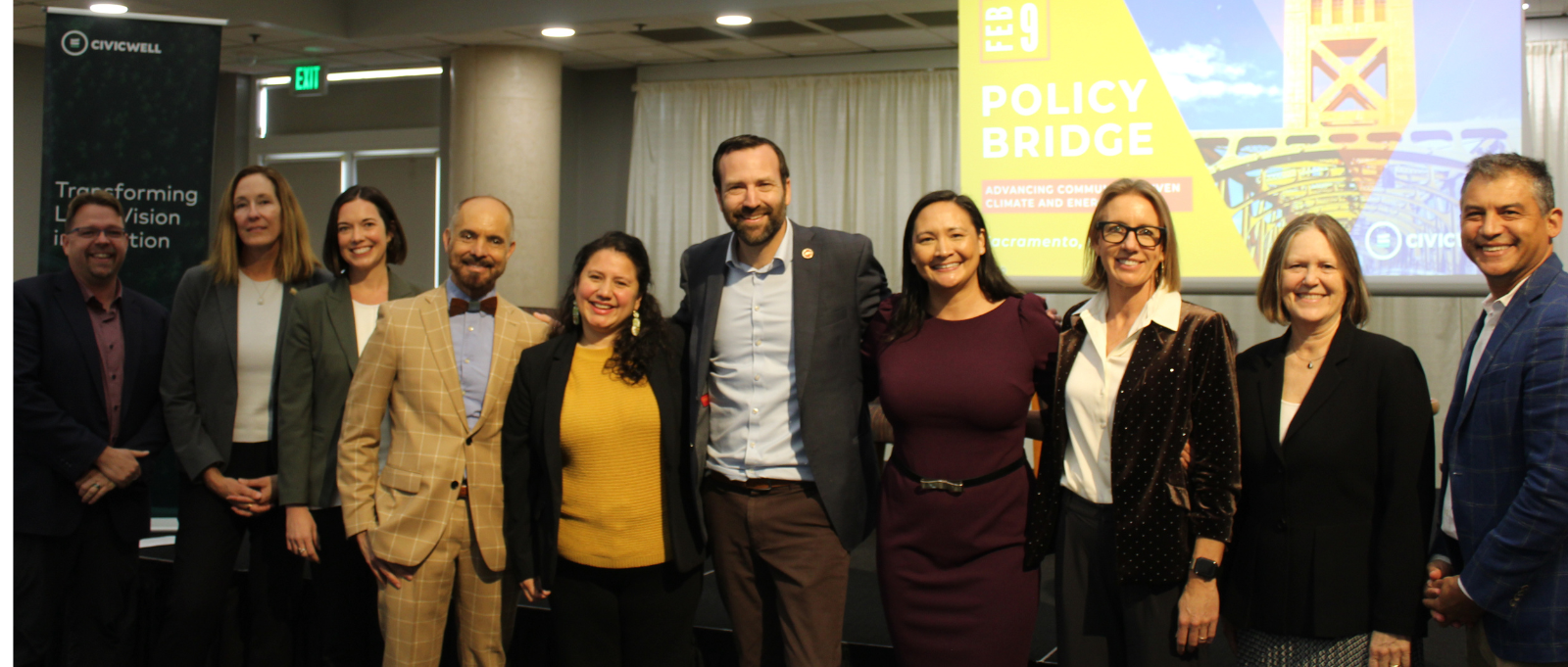
If 2025 was the Year of Abundance, 2026 is the Year of Affordability. Our energy panel stressed that we need to look beyond the temptation to pursue affordability for some and instead work towards greater system affordability and resilience for the greater good. Our finance panelists urged creative financing through private sector partnerships and tools like low interest loans and revolving loans.
Our energy panelists reminded us that the cheapest energy is the energy we don’t use. Energy efficiency measures allowed for relatively flat energy consumption across decades of economic and population growth. Energy efficiency should remain a top priority. Unfortunately, well-intentioned legislation like AB 306 cut off the ability for local governments to promote and advance necessary energy efficiency measures.
In the year ahead, we must be proactive but also pragmatic. While there is a sense of urgency in the priorities of the communities we serve and the fields and industries in which we work, leaders must be cognizant of the myriad of challenges facing our state. This month’s Policy Corner details legislative topics to track this spring in a sea of over 1,700 proposed bills.
In a busy political, social, and economic landscape, we look for allies and through-lines so we can more effectively pursue collaboration and co-benefits that address multiple concerns at the same time. One such example can be found in the competing demands on funding to address climate-related concerns. Our funding panelists held up as a prime example the raiding of the Greenhouse Gas Reduction Fund to serve other needs. Our funding panelists also reminded us to embrace creativity and co-benefits in addressing funding and financing approaches in the face of evaporating federal resources and the state’s General Fund challenges.
Our legislative panelists advised attendees to brace for change. In the statehouse, we will witness a cascade of changes with a new Governor this year and a new Senate Pro Tem two years later. Term limits create an increased volume and frequency of legislative turnover. This forces newly elected leaders to learn and take action more quickly.
Rather than steeling ourselves and bracing for impact, we should seek out ways to embrace the change that we know is coming. At CivicWell, we will continue our decades-long commitment to provide education, assistance, and convenings to support local leaders at all stages to make informed and effective decisions for their constituents and communities.
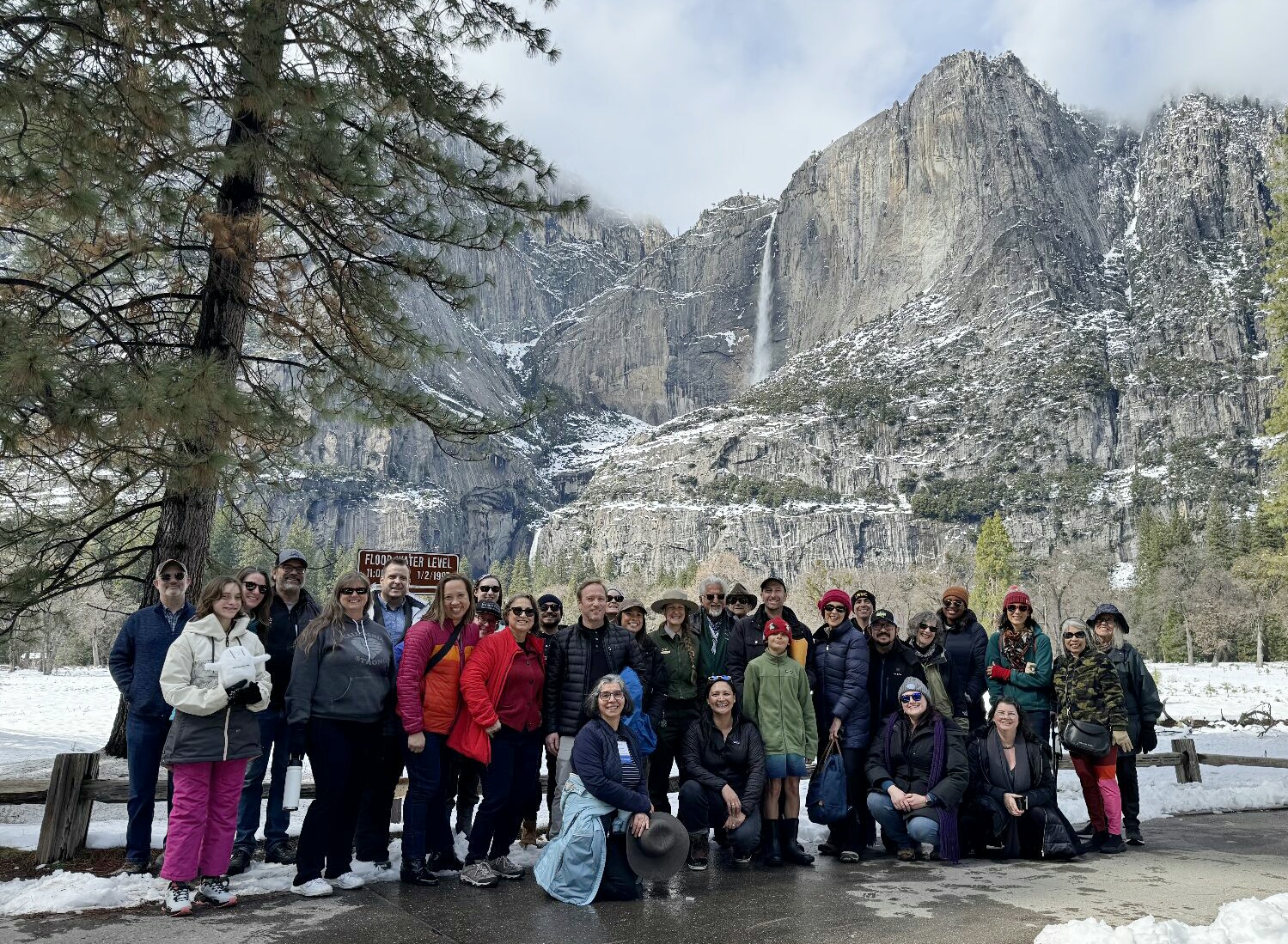
In the month ahead, we look forward to our signature event, the CivicWell Policymakers Conference. For 33 years, CivicWell has brought together elected officials from across the state to provide ideas, tools, and partnership opportunities to help them implement innovative solutions locally. We foster opportunities for local leaders to turn their vision into action through robust roundtable discussions; panels on energy, transportation, funding, and economic development featuring esteemed speakers such as State Senator Ben Allen, State Senator Catherine Blakespear, Housing and Community Development Director Gustavo Velasquez, and California Transportation Commission Executive Director Tanisha Taylor.
Every year I have the privilege to witness leaders make connections that result in a more resilient future for California communities. I look forward to seeing what the 2026 Policymakers Conference has in store. You can find a full list of confirmed speakers and the program agenda on the event website and event photos here.
Setting the Stage for a High-Stakes Legislative Year
By Steve Hansen, Managing Partner, Lighthouse Public Affairs
The February bill introduction deadline has come and gone, and while the total number of measures is lower than in recent years, the stakes for this legislative session could not be higher. With 1,798 bills introduced, this is the first two-year session operating under the new 35-bill cap per legislator. That reduction signals a more disciplined and strategic approach to policymaking, not a retreat from ambitious policy goals.
Many of the measures introduced are spot or intent bills, meaning the full substance of this year’s agenda will not emerge until late March. That timing sets up April and May as pivotal months when proposals are amended, consolidated, and debated ahead of the house of origin deadline.
Several themes are already coming into focus.
Wildfire adaptation and upstream resilience strategies are poised to take center stage. Beyond emergency response, lawmakers are increasingly focused on prevention: home hardening, land use planning, vegetation management, and infrastructure investments that reduce long-term risk and cost. As climate impacts intensify, the central challenge will be aligning state policy and funding with local implementation capacity.
Energy affordability and grid reliability are also emerging as defining issues. As federal energy policy shifts and electricity demand rises, particularly from data centers and electrification, the Legislature will be weighing how to accelerate clean energy deployment while protecting ratepayers and maintaining system stability.
Water resilience and clean air remain foundational priorities. From groundwater sustainability to long-term supply reliability and air quality improvements, these issues intersect directly with housing production, public health, and economic development. The policy conversations this spring will reflect the growing recognition that environmental stewardship and community vitality are inseparable.
Layered onto all of this are significant ballot measure battles around CEQA, several wide-open races including Governor, and a state budget that continues to generate both historic revenues and structural cost pressures. The debates this year will unfold within that broader political and fiscal context.
This session may have begun with fewer bills, but it is shaping up to be one of the most consequential in recent memory. CivicWell will be closely tracking these developments and engaging members as proposals evolve and move toward key legislative deadlines.