




March 29, 2026
Topic
By Bernadette Austin
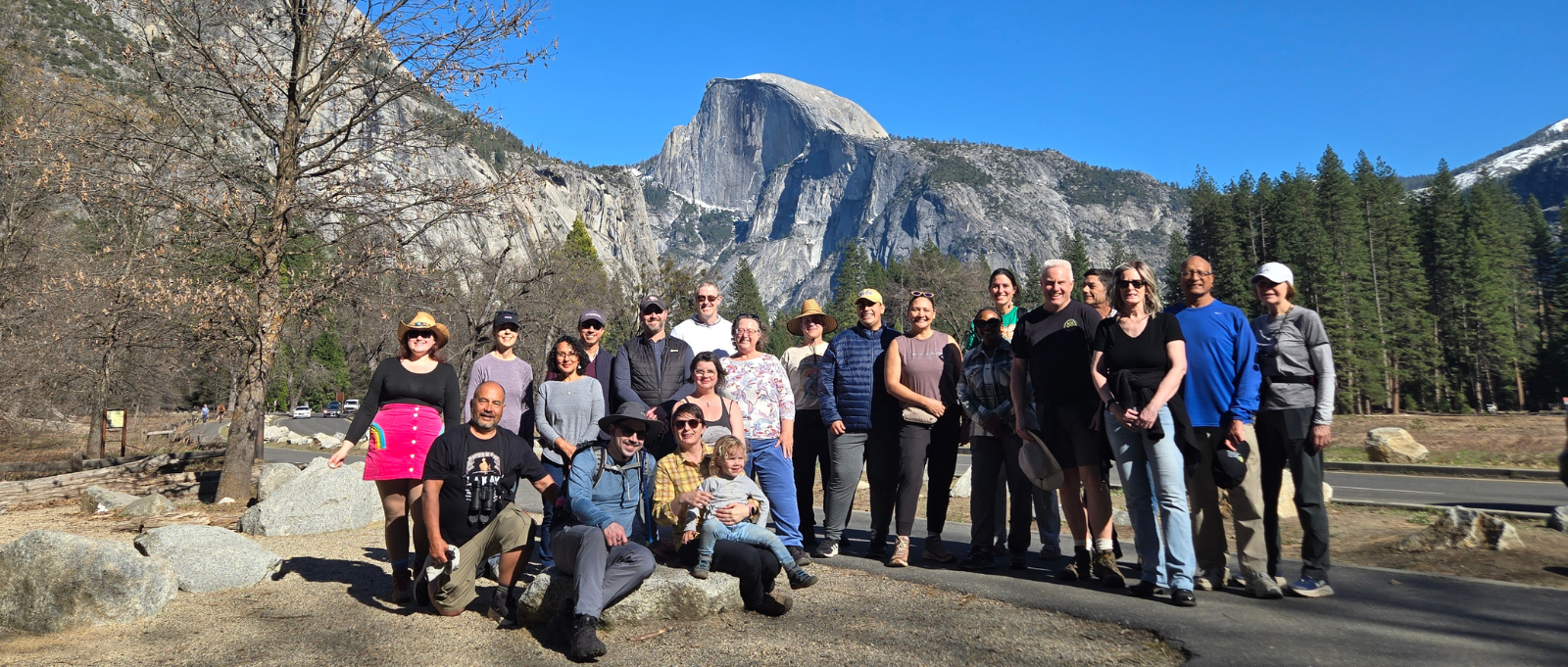
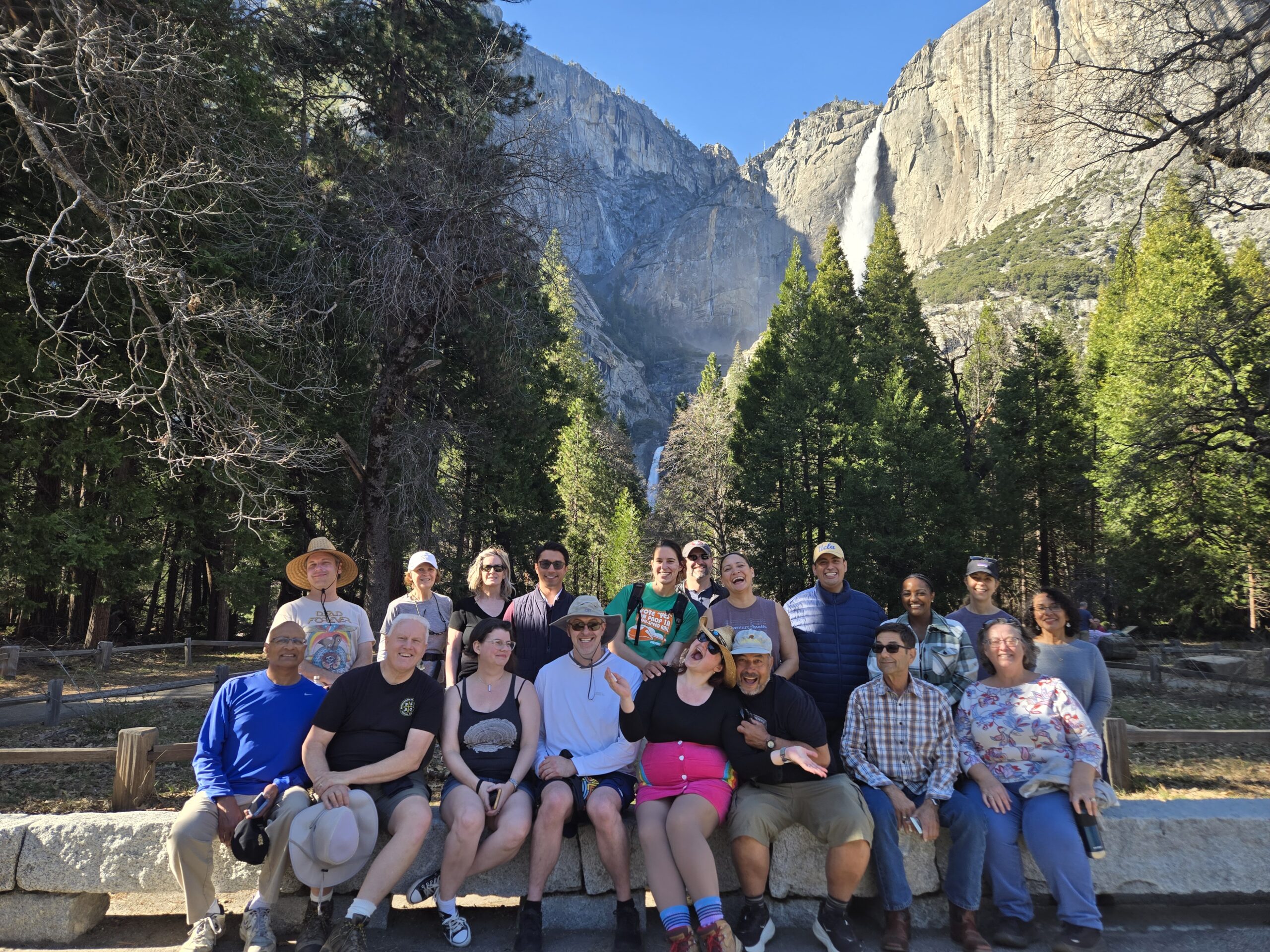
Earlier this month CivicWell hosted the 34th Annual Policymakers Conference at Yosemite National Park. The event featured five keynote speakers, four expert panels, and a robust breakout session where leaders discussed the unique challenges and innovative solutions for addressing climate-related threats from their region.
The breakout session was preceded by inspiring remarks from Truckee Town Councilmember Courtney Henderson, who described in vivid detail how her community responded to California’s deadliest avalanche which had struck the Sierra town only weeks prior. Instead of focusing on the tragic aspects of the loss of life, she celebrated the way her community came together.
From the devastation of Hurricane Maria in Puerto Rico to the Eaton and Palisades Fires in California, there have been far too many examples of failed emergency response and recovery even years later. Henderson acknowledged that tragedies like the snowstorm and avalanche that impacted her community can reveal a vacuum in leadership, but that a vacuum also creates space for us as leaders and community members to bring forth our own solutions. She challenged her fellow elected officials to take action—and to do so urgently.
In recent weeks, California has faced some of the largest snowstorms in years immediately followed by record-breaking heat. Meanwhile across the country, we are witnessing catastrophic flooding in the Hawaiian islands of Maui and Oahu while NOAA predicts a summer El Niño with increasing extreme heat, rising flood risk, and an intensifying hurricane season. A team of climate scientists with World Weather Attribution noted that the extreme heat we face in “March 2026 would have been virtually impossible without human-induced climate change.”
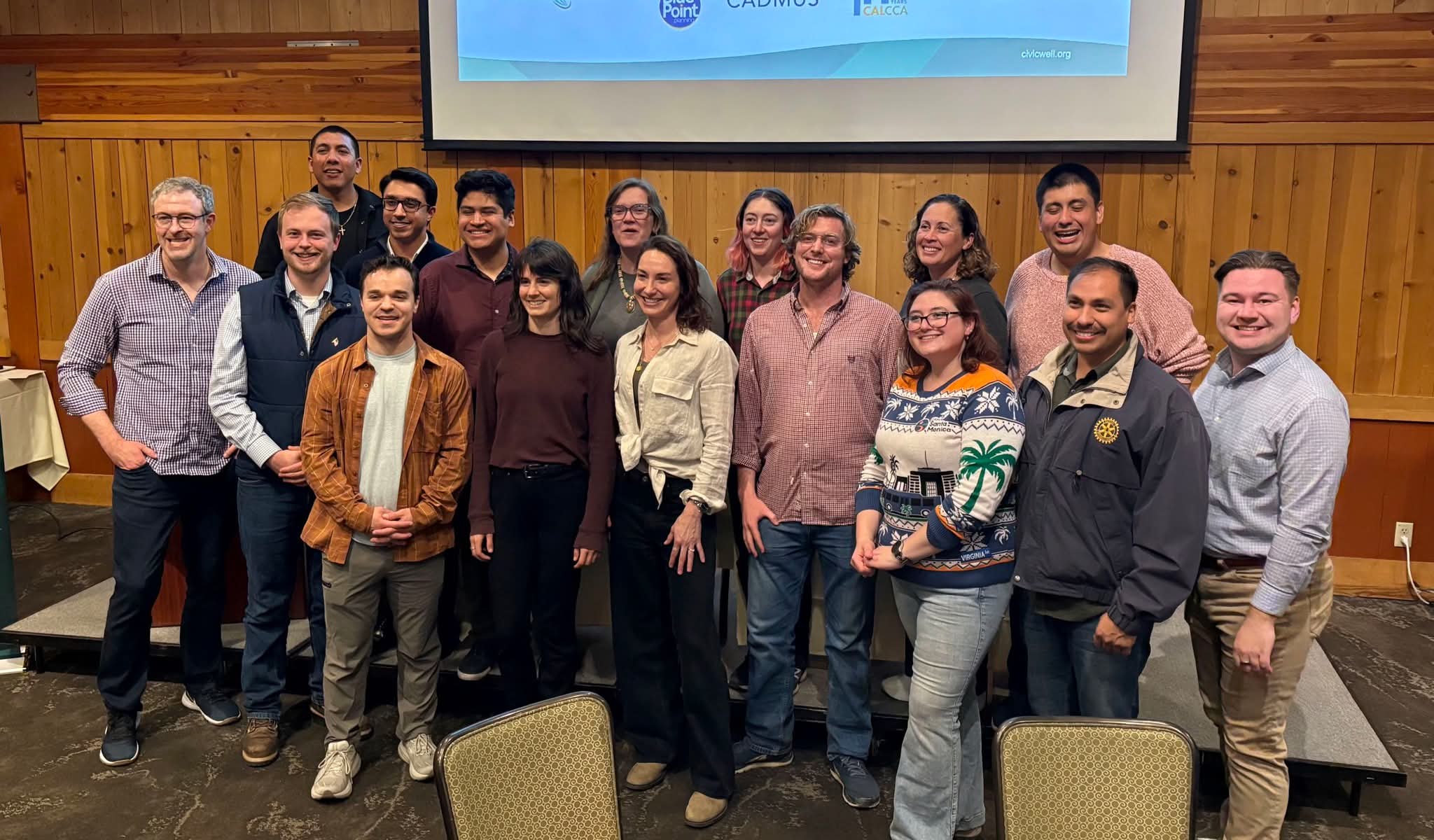
Councilmember Henderson is one of 16 Millennial and Gen Z elected officials who attended CivicWell’s conference this year, bringing with them a combination of sober comprehension and hopeful determination.
These younger leaders understand the gravity of the climate crisis that has been plaguing the world around them for their entire adult lives, from Hurricane Katrina more than 20 years ago to extensive California fires (of which all the top 16 largest recorded wildfires have happened in the last 22 years). In their commitment to finding solutions, they joined with participants who range from newly-elected officials to leaders who have attended this gathering for 30 years. Collectively, these leaders—new and seasoned alike—share an invigorating hopeful determination to fight for a better future for California against all odds.
To me, the Policymakers Conference kicks off the spring season, which is always a busy one for those of us who work for a more sustainable and resilient future. On top of Earth Day and a packed legislative agenda, April’s lineup includes the Climate Center’s California Climate Policy Summit in Sacramento and followed by San Francisco Climate Week. At SF Climate Week, CivicWell is co-hosting an interactive breakfast panel on “A Regional Approach to Resilience” with ICF and supporting Accelerating the Transition 2026, which unites cross-sector leaders to fast-track clean energy innovation and implementation.
May marks the 10-Year Anniversary Celebration of CalCCA, which will coincide with their annual CalCCA Conference in Sacramento. At the end of June, CivicWell will host the 17th Annual California Climate and Energy Collaborative Forum in Los Angeles County, convening practitioners around this year’s theme “Grounded in People, Guided by Possibility: Shaping our Future in a Changing California.”
I invite you to join us and our network of determined and hopeful professionals working toward a more sustainable and resilient future through programs and events like these.

From Yosemite: Advancing Wildfire Resilience, Climate Investment, and Local Impact
By Steve Hansen, Managing Partner, Lighthouse Public Affairs
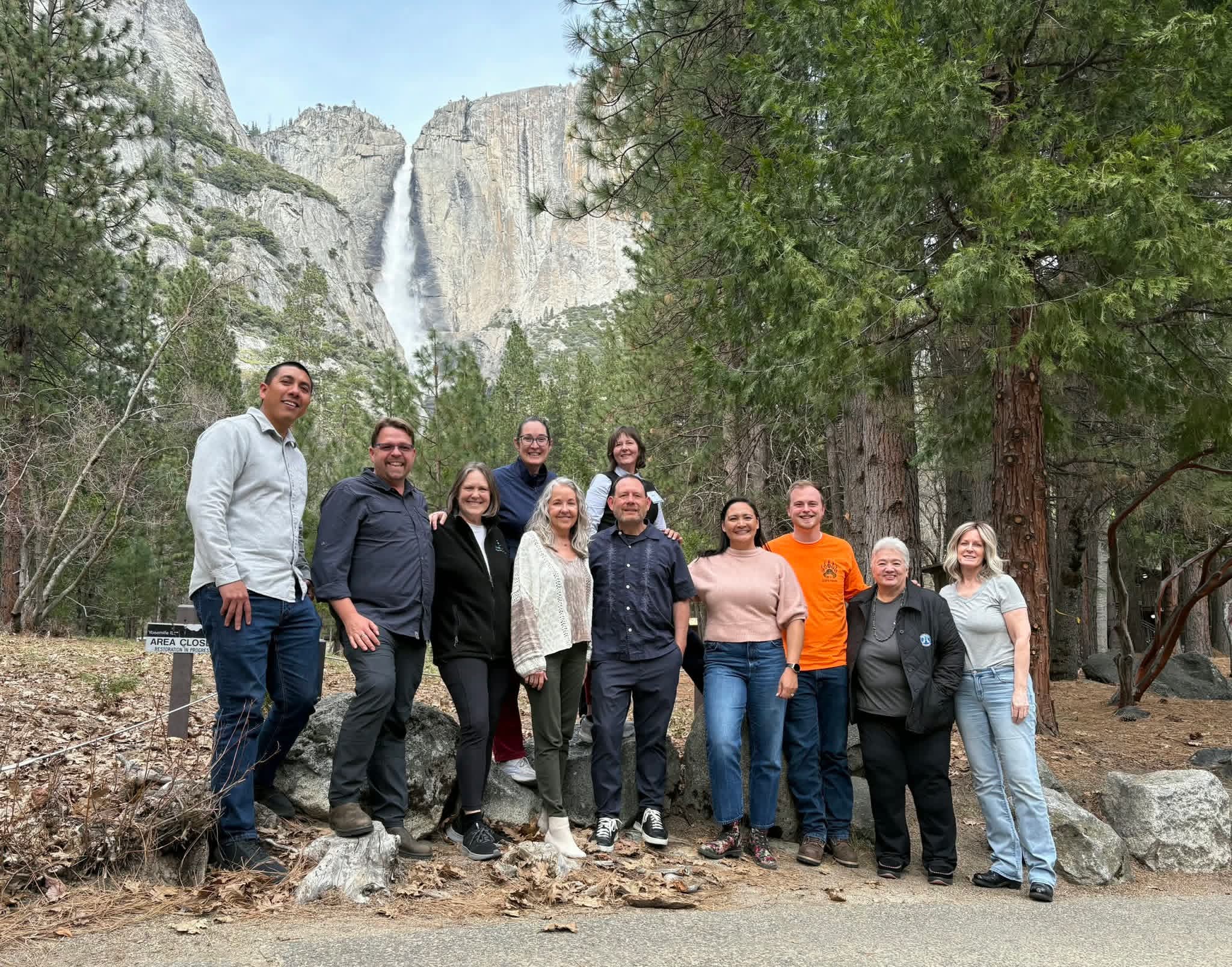
California’s local and state elected officials gathered in Yosemite earlier this month for CivicWell’s beloved 34th annual Policymakers Conference at a moment defined by both innovation and urgency.
Across discussions, there was no shortage of new ideas to address the state’s intersecting social, environmental, and economic challenges—but a clear recognition that the pace of those challenges is outstripping the pace of solutions.
The resulting focus, echoed by attendees, is on accelerating implementation, strengthening coordination across jurisdictions, and ensuring that existing policy frameworks deliver real, on-the-ground results.
Senator Ben Allen joined attendees to emphasize new approaches to wildfire resilience. This was a dominant focus for attendees, particularly the emerging legislative package anchored by SB 894 (Allen), SB 973 (Becker), and SB 1079 (Stern). The presence of state leaders alongside local officials reinforced a shared focus on aligning policy design with local delivery capacity.
Taken together, these bills reflect a shift toward system-level mitigation—pairing scalable financing tools for home hardening (SB 894), expanded local implementation capacity through the Wildfire County Coordinator Program (SB 973), and institutionalizing innovation within CAL FIRE via a new Fire Innovation Unit (SB 1079).
The throughline is a more coordinated state-local framework designed to move beyond episodic investments toward sustained, on-the-ground risk reduction.
Water policy discussions echoed similar themes: the challenge is less about identifying solutions than aligning governance, funding, and regional collaboration to deliver long-term reliability.
At the same time, local leaders are navigating economic headwinds by leaning into public infrastructure and transit investments as drivers of economic vitality—particularly projects that can unlock state and climate funding streams.
That conversation is increasingly tied to the evolution of the state’s Cap-and-Invest program—and Governor Gavin Newsom’s push to backfill federal rollbacks on clean transportation incentives.
As Senator Catherine Blakespear emphasized at the conference, the program “uses the cost of pollution to fund critical climate programs like public transit and clean energy,” while helping offset costs for Californians.
Building on that framework, Governor Newsom has advanced a $200 million zero-emission vehicle (ZEV) incentive program, positioning electrification as both a climate and consumer cost strategy amid global oil market volatility.
The takeaway from Yosemite is familiar to Sacramento insiders: California is not short on ideas—but the scale and speed of its challenges demand faster, more coordinated delivery. The next phase will be defined by how effectively the state and its local partners translate policy into results—at scale, across jurisdictions, and in real time.