





Livable Places Update
Article

May 28, 2026
Topic
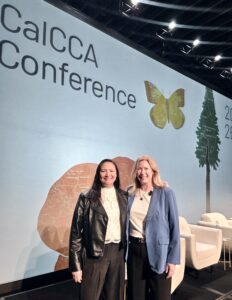
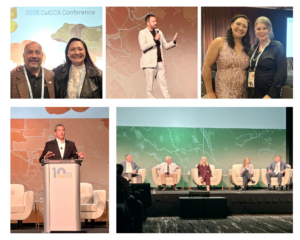
At the California Community Choice Association (CalCCA) conference this month, I reconnected with old friends and made new connections. I had a fascinating conversation with someone with intimate knowledge of the energy challenges facing communities around Lake Tahoe. This “power struggle” has made national headlines, raising concerns about power regulation, transmission lines, and energy sourcing. Liberty Utilities is seeking a new energy supplier to serve their 50,000 customers starting in 2028. The process to solicit and select a new energy provider is subject to oversight by the California Public Utilities Commission (CPUC). The current supplier NV Energy, (which supplies 75% of Liberty’s power), is based in Nevada, an inter-state situation that complicates management of transmission systems. Furthermore, residents and activists are vocal with their concerns and objections, asserting that this move is in response to the significant growth of data centers and their corresponding demand for energy. According to the Desert Research Institute, Nevada is one of the fastest-growing regions for data centers in the U.S., including significant construction by some of the largest tech companies taking place east of Reno. The person I was speaking with was looking for ideas and partners to help their community address these significant challenges. CalCCA brings together some of the most innovative leaders in the energy sector. Over 1,000 people turnout out for this year’s conference, likely driven by the fact that the event coincided with CalCCA’s tenth anniversary and took place in Sacramento just as ballots for the June primary election landed in mailboxes across the state. I have no doubt that Lake Tahoe communities impacted by this transition can benefit from the braintrust that gathered at this conference.
With the election taking place next week and the state budget being finalized just a few days later, issues like these are top of mind for leaders and their constituents. Voters are concerned about the accelerating cost of living driven by housing, healthcare, energy, and gas costs, the latter two in turn driving up costs in many industries and for many products. The implications for these elections–especially for Governor–will impact many areas highlighted in the Lake Tahoe example above. A new Governor will appoint new agency leadership and commissioners. A new Insurance Commissioner will weigh in on utility and healthcare regulations that can impact access and cost of insurance. A new Treasurer will oversee funding and financing for public works, such as transportation, parks, housing, and economic development. The outcome of offices for state legislators and members of Congress will set the tone for how California communities interact with other states, (like Nevada), and the federal government. While CivicWell focuses on supporting local leaders, the outcomes for state and national offices this year carry significant implications for our organization, our members, and our partners. I look forward to seeing many of our partners and members at the next convening on our calendar, the California Climate and Energy Collaborative Forum taking place June 24-25. This year’s theme “Grounded in People, Guided by Possibility: Shaping our Future in a Changing California,” will provide pragmatic solutions for many of these themes.
By Steve Hansen, Managing Partner, Lighthouse Public Affairs
California is in one of those compressed governing moments when several decisions, each consequential on its own, are landing at once.
The Legislature is at the May 29 house-of-origin deadline, meaning many of the year’s most important bills are either moving forward, being narrowed, or quietly falling away. The budget process is also in full swing. The fiscal picture is better than many feared, helped by strong capital gains revenue tied to Bay Area technology success, but the state still faces structural reform questions, federal funding withdrawals, and broader economic headwinds. Governor Newsom and the Legislature now have to decide how to preserve fiscal stability while still investing in the communities and infrastructure that will shape California’s next decade.
At the same time, the California Air Resources Board (CARB) is considering major Cap-and-Invest changes that could significantly reduce Greenhouse Gas Reduction Fund investments. That matters directly to local communities. Programs such as Affordable Housing and Sustainable Communities (AHSC), Transit and Intercity Rail Capital Program (TIRCP), Low Carbon Transit Operations Program (LCTOP), the Community Air Protection Program created by AB 617, clean transportation, urban greening, transit, water, and community resilience are not abstract line items. They are affordable homes near transit, cleaner buses, safer streets, cleaner air, and projects that help communities lower emissions while lowering household costs.
The Senate’s pushback, led in part by Senator Eloise Gómez Reyes and Senator Catherine Blakespear, (a former CivicWell board member), is an important signal that this is still a negotiation window, not a foregone conclusion. Their effort to establish guardrails around Cap-and-Invest changes recognizes a practical reality: California can and should pursue affordability, leakage protection, job retention, and industrial decarbonization without undermining the Greenhouse Gas Reduction Fund (GGRF) investments local communities rely on. CARB is right to look seriously at tools like the Manufacturing Decarbonization Incentive, which could help drive down hard-to-abate emissions, support California’s climate learning curve, and create and preserve good jobs here. But that work should complement — not crowd out — proven community investments in affordable housing, transit, clean air, and resilience.
This is also a political moment. Next week’s primary election will sharpen the race to succeed Governor Newsom, and some voters may feel that the emerging field does not reflect their preferred path. In the current federal climate, disappointment cannot become division.


The 17th Annual CCEC Forum taking place on June 24 – 25, will focus on advancing climate and energy solutions that are grounded in real community needs and responsive to a rapidly changing California. As costs rise and climate impacts intensify, the forum will highlight energy efficiency and other high-impact mitigation strategies as essential tools for reducing emissions, lowering bills, and improving quality of life. Through practical case studies and candid dialogue, the program will explore people-centered approaches that prioritize affordability, accessibility, clear communication, and on-the-ground implementation, while embracing new ideas and partnerships. By centering lived experience and local leadership, the forum will illuminate pathways toward a more resilient, equitable, and energy-efficient future.

Last June, Assembly Bill (AB) 130 and Senate Bill (SB) 131 were enacted as part of the state’s approved budget. During CivicWell’s 2025 Fall Webinar Series, experts explored how this legislation amended the California Environmental Quality Act (CEQA) and other related laws. In this webinar, experts from Ascent return to provide an update on current CEQA reform proposals. his panel will include perspectives from government, community, and business leaders on the risks and opportunities offered with new CEQA proposals