



June 8, 2026
Topic
Across California and the nation, billions of dollars are being invested in clean transportation. Policies are accelerating electric vehicles, expanding charging infrastructure, and advancing emissions reductions at an unprecedented pace. But the true measure of success is not how much funding is deployed, it is whether these investments translate into real, tangible benefits for the communities most impacted by pollution, disinvestment, and systemic inequities.
Moving from policy to pavement requires more than technology. It requires trust, community partnership, and intentional design rooted in equity.
Historically, low-income communities and communities of color have borne the brunt of environmental harms while being last in line to access new mobility solutions. Clean mobility must not repeat this pattern. Instead, it must be built differently from the ground up, with community voices shaping every phase of development, from planning to implementation.
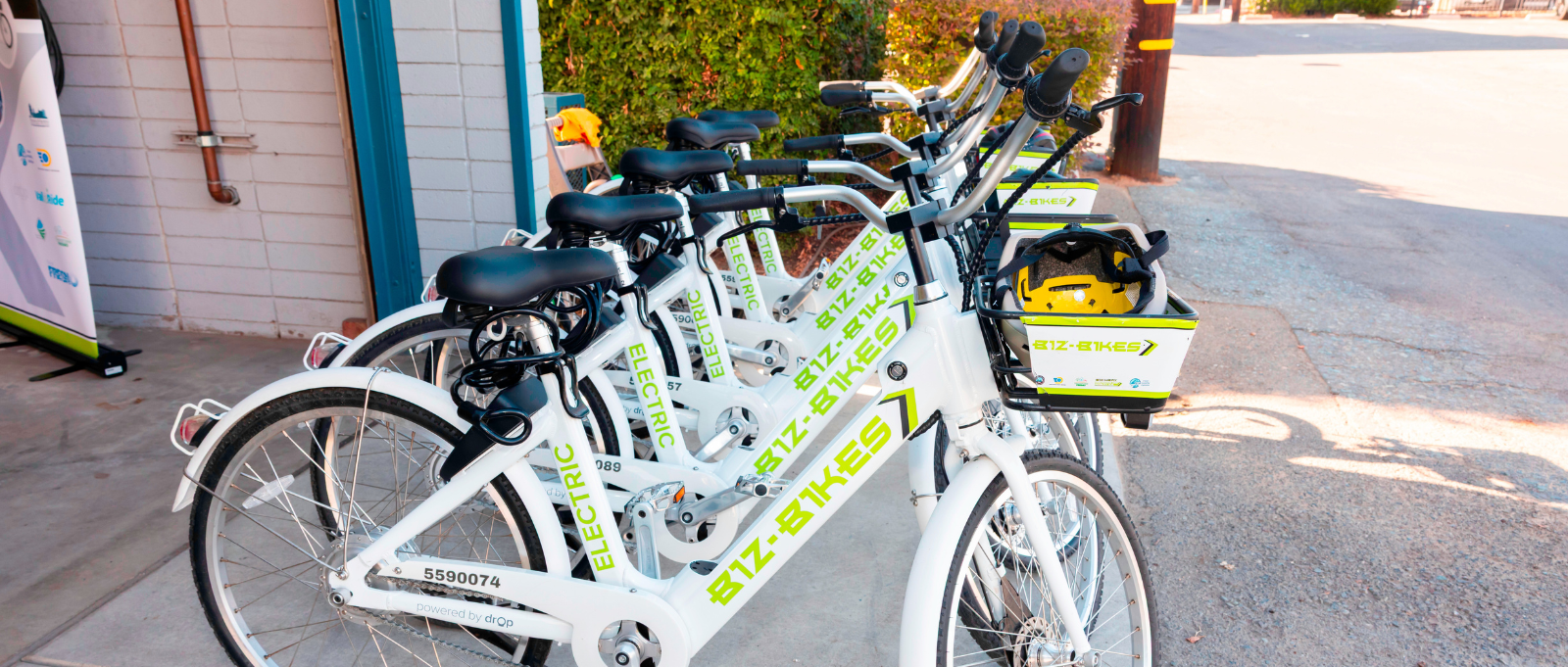
This is where our work at the Fresno Metro Black Chamber of Commerce and our BizWerx Mobility & Innovation Hub offers a powerful model. BizWerx is not just deploying clean vehicles, it is building a full ecosystem that connects access, workforce, and economic opportunity. Through initiatives like EV carshare, vanpooling, and e-bike programs, EV charger installation, community members are able to experience clean mobility in ways that are practical, affordable, and culturally relevant.
At the same time, BizWerx is developing the workforce needed to sustain this transition. Through the SAE certified EVSE (electric vehicle supply equipment) training programs, EV charging infrastructure installation training, participants gain the skills required to install and maintain charging infrastructure creating pathways to high-quality jobs. This approach ensures that clean mobility is not something that happens to communities, but something they actively participate in and benefit from.
An equitable clean mobility ecosystem is not just about electric vehicles. It is a connected system that includes workforce development, small business participation, accessible financing, shared mobility options, and culturally competent outreach. Our goal is for BizWerx to integrate all of these elements by supporting local entrepreneurs, preparing small businesses for procurement opportunities, and embedding technical assistance into its mobility programs.
Community-based organizations like ours play a critical role in bridging the gap between policy and lived experience. We bring credibility, trusted relationships, and a deep understanding of local needs. When community focused organizations are positioned as co-designers, and operators, not just outreach partners, programs are more responsive, participation increases, and outcomes improve.
Equity also requires rethinking who benefits economically. Clean mobility investments should create pathways for local entrepreneurs, contractors, and workers. BizWerx exemplifies this by
aligning mobility initiatives with business development programs, ensuring that wealth-building opportunities are part of the clean transportation transition.
Trust is the infrastructure that makes all of this possible. In many communities, skepticism toward government-led initiatives is rooted in real histories of exclusion and harm. Building trust requires consistency, transparency, and a willingness to listen and adapt, principles that guide the community-centered approach of BizWerx.
As we look ahead, the challenge is not whether we can deploy clean mobility technologies, it is whether we can do so in a way that is inclusive, sustainable, and community-driven. The work happening in Fresno demonstrates what is possible when policy meets community in meaningful ways. It may not be easy work but it is necessary work.
From policy to pavement, the path forward is clear: center community, invest in people, and build ecosystems not just programs, that drive lasting, equitable change.