


August 26, 2026
Topic
By Bernadette Austin
As summer comes to a close, I look forward to an exciting and action-packed fall conference season. In October, the Governor’s Office of Land Use and Climate Innovation (LCI) will roll out the Fifth Climate Assessment at the Resilient California Summit in Sacramento. As administrators for the California Climate and Energy Collaborative, the CivicWell team has joined with state agencies, nonprofit organizations, and academic partners to support several regional Catalyst Convenings across the state which highlighted how elements of the Fifth Climate Assessment apply to local regions featuring local experts and co-authors. For example, two of the regional convenings held in August highlighted substantial climate impacts unique to their regional economies—agriculture in the Sacramento Valley and tourism in the Sierra Nevada. These presentations also included sobering data about the shared challenges of extreme weather across the state, including how higher temperatures will lead to earlier snowmelt and increased flood risk challenges.
This fall also heralds a particularly consequential Midterm Election season, with voters selecting their future Governor, Insurance Commissioner, Congressional representatives for newly redrawn districts, and much more. Gatherings like these Catalyst Convenings and the myriad of fall conferences provide valuable opportunities for folks to convene across sectors and jurisdictions to share ideas that can be elevated and amplified during this critical period of leadership transition.
CivicWell is a programmatic and promotional partner for many of these events. CivicWell is supporting the Clean Mobility Equity Alliance (CMEA) for the annual Clean Mobility Forum to advance the state’s shared mobility and equitable clean transportation goals. At the Resilient California Summit, CivicWell will participate in a session on economic and workforce opportunities in the clean energy industry. At the Annual Conference for the California Association of Local Agency Formation Commissions (CALAFCO), I will join a panel exploring how shifting demographics and aging infrastructure are reshaping how we plan for growth and land use in the years ahead. In the coming days, CivicWell will be announcing even more networking events and listening sessions at these and other conferences aimed at cultivating new partnerships, mobilizing coalitions, and guiding incoming leadership. Follow us on social media and check future newsletters for more details.
California at the Hinge: Governing Through a Time of Transition
By Steve Hansen, Managing Partner, Lighthouse Public Affairs
There is always a particular energy in Sacramento during the final days of a legislative session. Bills move quickly, negotiations stretch late into the night, and issues that have simmered for years suddenly demand resolution.
This August feels different.
California is not simply approaching the end of another legislative session. We are approaching the end of a political era.
The Legislature must complete its work by August 31, and Governor Gavin Newsom is entering the closing months of his eight years in office. A number of respected legislators are concluding their service because of term limits, seeking other offices or preparing for their next chapter. And voters this November will choose a new Governor,
Lieutenant Governor, Treasurer and Insurance Commissioner, among many other state and legislative offices.
The result is a remarkable convergence: California is making consequential decisions about its future at the same moment many of the people making those decisions are preparing to hand responsibility to someone else.
Nowhere is that more evident than wildfire policy.
As fires continue to burn around California this summer, the Legislature and Governor are considering potentially significant changes to the system governing wildfire prevention, utility liability, insurance and recovery.
The debate follows last year’s SB 254 and the resulting California Earthquake Authority study of how the state should respond to increasingly frequent and financially devastating natural catastrophes. Among the options examined are changes to California’s inverse-condemnation standard for utility-caused fires, reforms to the Wildfire Fund, faster compensation for survivors, expanded community mitigation and
new approaches to spreading catastrophic wildfire risk.
These are enormously complicated questions.
California must preserve strong incentives for utilities to operate safely and responsibly. Wildfire survivors and communities must be fairly compensated when disaster occurs. At the same time, policymakers must confront an uncomfortable financial reality: repeated catastrophic losses can ultimately affect utility customers, insurance markets, local governments and taxpayers regardless of where liability is initially assigned.
There are legitimate and deeply held views on every side.
That is precisely why this debate deserves care. A policy framework governing potentially hundreds of billions of dollars in future wildfire risk should not be reduced to a binary argument between utilities and wildfire victims. The real challenge is designing a system that makes communities safer, holds responsible parties accountable, compensates victims fairly and remains financially sustainable when the next
catastrophe occurs.
And there will be a next catastrophe.
That reality extends beyond wildfire.California’s Cap-and-Invest program is also going through an important transition. Last year, the Legislature and Governor extended the program through 2045. This year, the California Air Resources Board adopted substantial regulatory changes intended to strengthen the program and maintain California’s climate ambitions.
But the mechanics matter.
Cap-and-Invest is no longer simply a climate regulatory system. Auction proceeds deposited into the Greenhouse Gas Reduction Fund have become an important source of funding for transportation, affordable housing, clean-air programs, wildfire resilience and other investments throughout California.
Under the state’s new funding structure, programs including Affordable Housing and Sustainable Communities, the Transit and Intercity Rail Capital Program and the Low Carbon Transit Operations Program depend upon sufficient auction revenues remaining after higher-tier commitments are funded.
Legislators are now raising concerns that changes in allowance allocation and competing demands on GGRF — including significant support for CAL FIRE — could leave substantially less money available for those investments.
That should matter to every mayor, county supervisor, transit agency and regional
government in California.
For local governments, these programs are not abstractions on a state budget spreadsheet. They help finance housing near jobs and transit, buses and rail improvements, cleaner transportation, community air-quality investments and infrastructure projects that would otherwise struggle to pencil.
California should certainly continue refining Cap-and-Invest so that it reduces emissions while protecting affordability and economic competitiveness. But policymakers should also be careful not to stabilize the regulatory side of the program while inadvertently destabilizing the investments communities have been encouraged to build around it.
And then there is the weather.
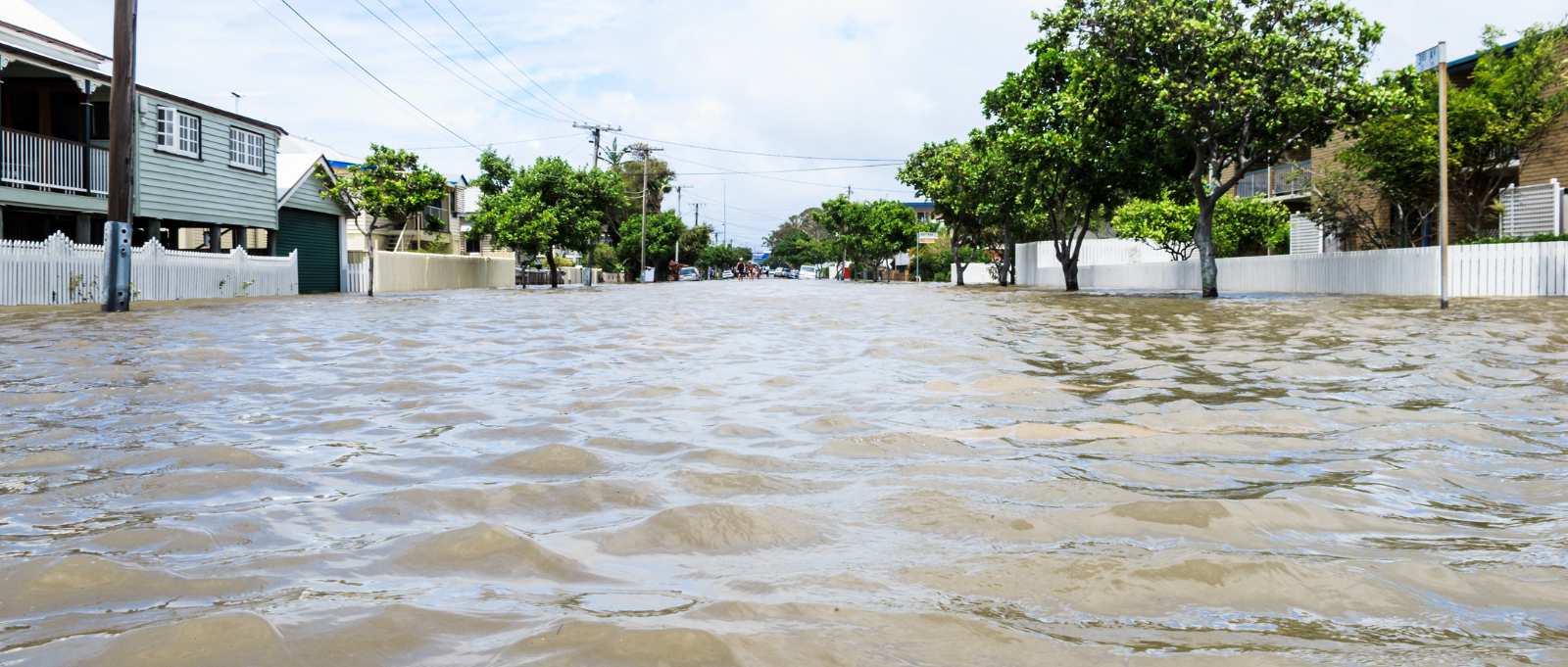
California enters the end of summer with significant fires still burning while forecasters are watching what could become an historically strong El Niño and a very wet winter.
Only in California could public policy require us to worry simultaneously about forests burning today and communities flooding several months from now.
But that is increasingly the job.
Wildfire mitigation, utility infrastructure, insurance availability, watershed protection, flood control, housing policy and transportation resilience cannot live in separate policy silos anymore. Climate adaptation is becoming basic governance.
Which brings us back to the transition underway in Sacramento.
There is understandable nostalgia when distinguished legislators leave public service. Institutional knowledge matters, relationships matter, and California will lose leaders who have spent years mastering extraordinarily complicated subjects.
But political transition also creates opportunity.
Across California, an impressive generation of mayors, county supervisors, councilmembers and other local leaders is preparing to move into state government. They will bring something Sacramento increasingly needs: direct experience implementing the policies the state creates.
They know what it means when an affordable housing grant arrives — or does not. They understand the difficulty of evacuating a community during a wildfire, financing a transit system, approving infill housing, rebuilding after disaster and explaining rising utility or insurance bills to residents.
That perspective will be particularly valuable in 2027.
A new Governor and a substantially changed leadership team will inherit enormous challenges. California will still need to build more housing, improve affordability, stabilize its insurance market, modernize its electrical grid, prepare communities for wildfire and extreme weather, maintain transportation systems and meet ambitious climate goals.
None of those problems will reset with the election calendar.
But leadership will.
The final months of 2026 therefore represent more than the closing chapter of one administration or one legislative class. They are a chance to decide what should be carried forward, what needs to change and what unfinished work the next generation of California leaders will inherit.
That is the real task confronting Sacramento in these closing days.
Finish well.
And leave the next group something worth building upon.

The 35th annual CivicWell Policymakers Conference will take place on March 11 – 14th 2027. The Conference gathers local elected officials from across California in an inspiring and collaborative environment. Registration will open in November of 2026. If you would like to learn more, click below.
The Policymakers Conference is open only to elected officials, strategic partners, and sponsors of this event. To learn more about sponsorship, click here.
Other Upcoming Events
As we gear up for the fall conference season, we wanted to share some of the upcoming events hosted by our friends and collaborators.
Catalyst Convenings
Sept. 15 & TBD

In October, the Governor’s Office of Land Use and Climate Innovation (LCI) will roll out the Fifth Climate Assessment at the Resilient California Summit in Sacramento. As administrators for the California Climate and Energy Collaborative, the CivicWell team has joined with state agencies, nonprofit organizations, and academic partners to support several regional Catalyst Convenings across the state which highlighted how elements of the Fifth Climate Assessment apply to local regions featuring local experts and co-authors.
North Coast
We invite regional leaders serving Lake, Mendocino, Humboldt, Trinity, Siskiyou, and/or Del Norte counties to save this date!
- Date: Tuesday, Sept. 15, 2026
- Time: 8:30 a.m. to 4:30 p.m.
- Location: Sequoia Conference Center (901 Myrtle Ave., Eureka, CA)
- Register today.(external link)
Inland Deserts
We invite regional leaders serving Imperial, east San Bernardino, east Riverside, east Los Angeles, east Inyo, and/or east Mono to save this date!
- Date: TBD late September early October
- Time: 8:30 a.m. to 5 p.m.
- Location: TBD
The Clean Mobility Forum
September 30th – October 1st
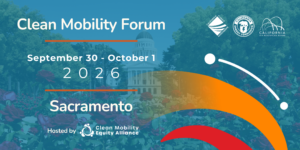
The Clean Mobility Forum is hosted by the Clean Mobility Equity Alliance (CMEA) Team and funded by the California Air Resources Board and the California Energy Commission. This year, the event will be held at the Tsakopoulos Library Galleria in Sacramento, CA, Wednesday, September 30, and Thursday, October 1, 2026.
The Forum is a two-day hybrid event focused on clean transportation. It brings together diverse attendees, including clean mobility project awardees, state representatives, local and tribal governments, mobility operators, community-based organizations, and nonprofits, who are committed to advancing innovative, equitable and affordable solutions to achieve zero emissions transportation, especially for under-resourced communities in California. The Forum is designed to provide participants with tools and partnership opportunities that support the implementation of innovative solutions and address the roadblocks and challenges to achieving transportation equity and clean mobility for all.
The Resilient California Summit
October 20-22
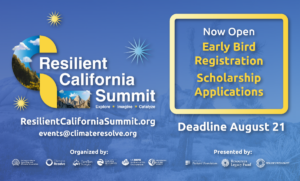
The inaugural Resilient California Summit, taking place October 20-22, 2026, at the SAFE Credit Union Convention Center in Sacramento, will convene people from across the state to make progress on the policies, partnerships, and practices needed to build resilience as climate change accelerates.
The Summit will feature a diversity of interactive sessions aimed at fostering conversation, sparking new ideas, and giving attendees the resources and tools they need to be successful in their work and communities. Participants will explore key insights from California’s Fifth Climate Change Assessment, imagine the best possible future that remains within reach, and catalyze the actions needed to turn that vision into reality.
CalCOG 2027 Regional Leadership Forum
March 1-3, 2027

Mark your calendars, CALCOG’s Regional Leadership Forum, our annual statewide convening, returns to Sacramento.
Three days of peer-to-peer learning, candid policy conversation, and partnership across California’s regions. Registration opens soon, watch your inbox for the full program and hotel block.
More information to come.
Thank you to our Strategic Partners!